Ferry information for the Holyhead–Dublin route
Compare 2 ferry operators 》7+ daily departures 》fast ferry & cruise ferry
Dublin to Holyhead
Ferry
Compare prices and book
After completing our non-binding booking module, you will immediately see the current prices of both ferry companies operating on the Dublin-Holyhead ferry route.
Dublin is closer than you think
Sail from Ireland with ease
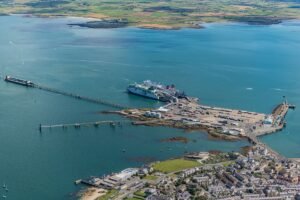
For Irish travellers bringing their own vehicle, the Dublin–Holyhead route is by far the fastest and most straightforward way to reach the United Kingdom. With a short and direct sailing across the Irish Sea, you arrive straight into North Wales, perfectly placed for onward travel.
Ferries from both Stena Line and Irish Ferries run throughout the day in both directions. Stena Line operates two comfortable cruise ferries, while Irish Ferries offers two cruise ferries and a high-speed catamaran. The Fast Ferry takes just 1 hour and 50 minutes, making it the quickest way to travel from Ireland to the UK.
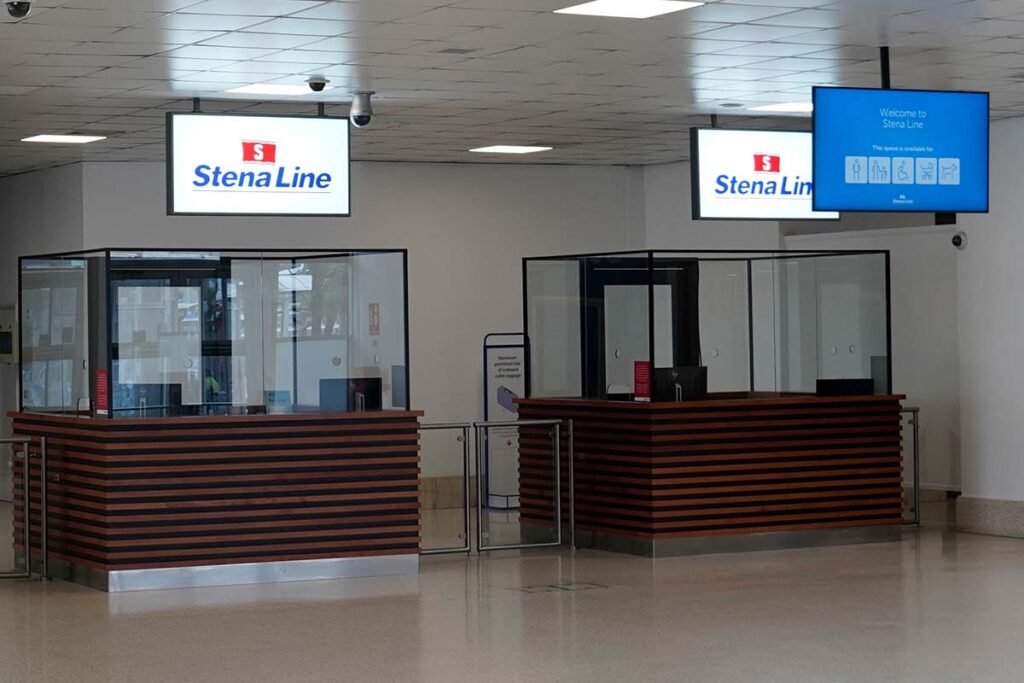
Timetables & Pricing
Check the departure and arrival times for both Dublin and Holyhead, and click to find prices for the desired sailing.
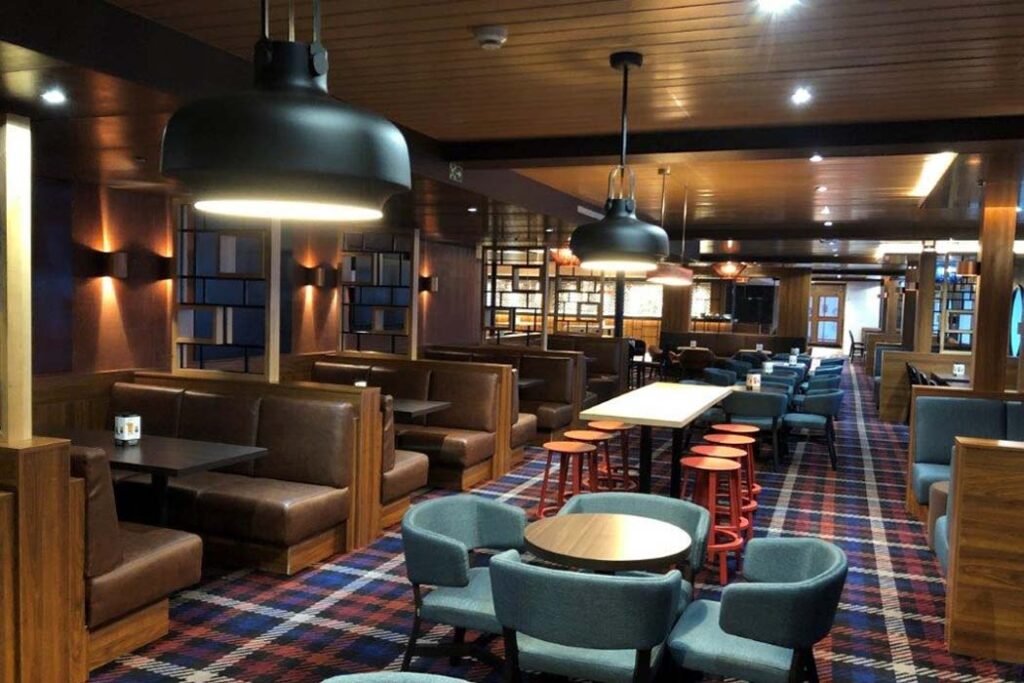
On board experience
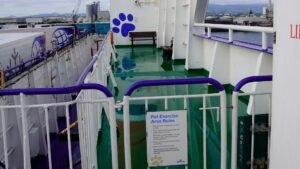
Discover the Dublin-Holyhead ferries and their distinctive facilities, features, and onboard amenities.
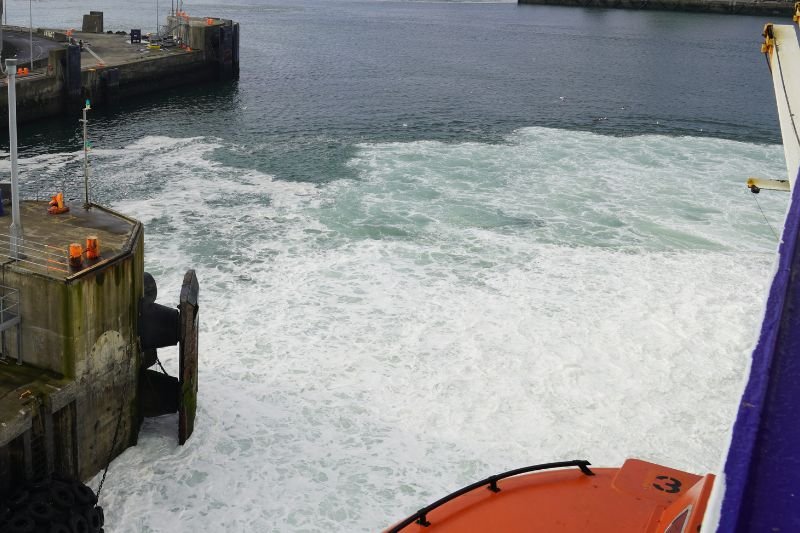
Live vessel locations
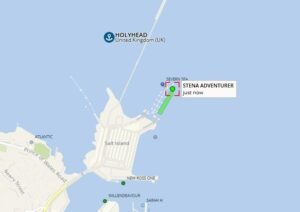
View live vessel locations and track ships in real-time to stay updated on their current position and route.
Benefits of the Holyhead–Dublin ferry
Why travel on the Dublin-Holyhead ferry route?
Flexible and comfortable travel
This route is suitable for every type of traveller. All ferry services can accommodate cars, campervans, motorbikes, bicycles and foot passengers, making the crossing flexible and accessible for everyone.
- Spacious cruise ferries
- Suitable for all vehicles
Fast and practical route
A short sea crossing that connects Ireland with the UK in the most direct way. Irish Ferries’ fast catamaran can complete the crossing in as little as 1 hour 50 minutes. Both operators run multiple sailings every day, offering great flexibility.
- High-speed ferry option
- Frequent daily departures
Easy to reach and easy to arrive
The ports on both sides are highly accessible, making the journey smooth from start to finish. Holyhead has Direct road links via the A55 and regular trains to Manchester, Birmingham and London. Dublin Port is minutes from the city.
- Easy access to Holyhead
- Close to Dublin city centre
Irish Ferries
Stena Line
Irish Ferries
Stena Line
Easy Sailing
Cruiseferries
They may take a little longer than the fast ferry, but the crossing is much more stable and even in bad weather, you are almost always assured of departure. On board you can enjoy extra comfort and luxury.
We are talking about cruise ferries: large, solid ships with plenty of space, restaurants, shops and entertainment facilities. Perfect for travellers seeking relaxation during the journey and ideal for families. Afraid of or simply want a reliable crossing? Learn more about these comfortable ships!
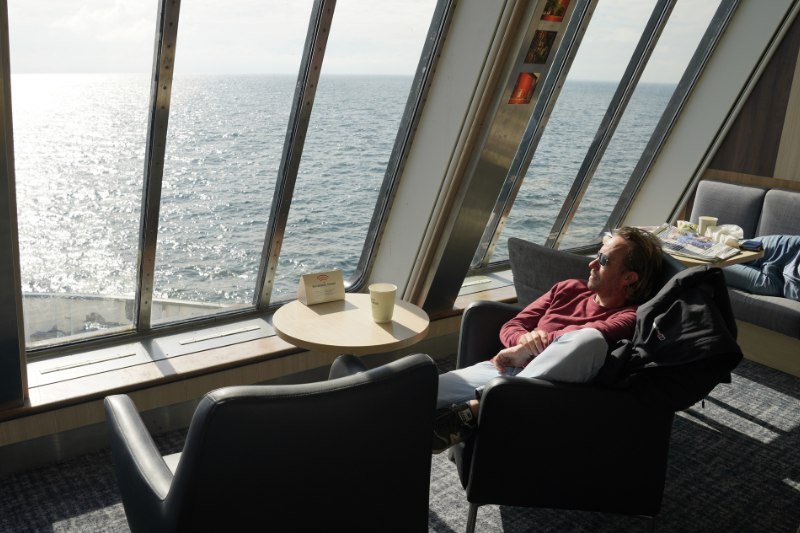
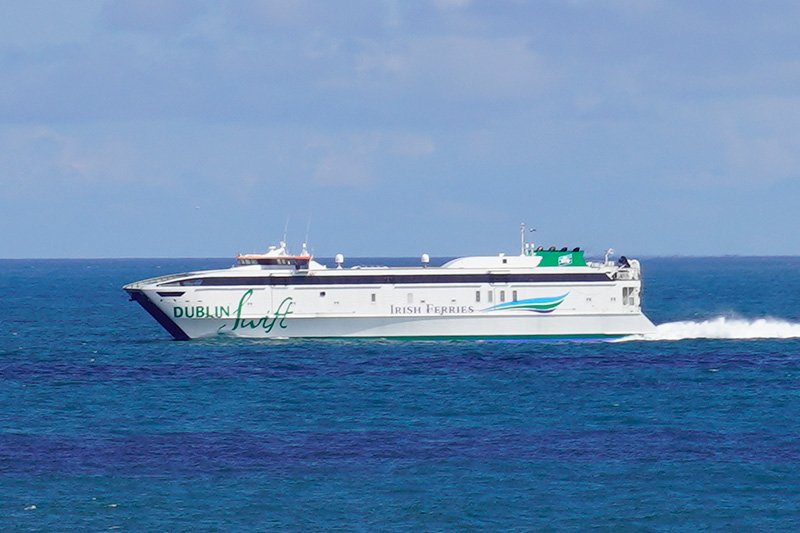
Swift Crossing
Fast Ferry
The Dublin Swift Fast Ferry from Irish Ferries offers the quickest ferry crossing to teh UK. In winter it doesn’t always sail and stormy weather may cause cancellations, but if you can book a spot, don’t miss it! Reaching 40–47 mph, you’ll be in Ireland before you can get bored. Once a high-speed transport ship for U.S. troops and equipment, it now offers modern ferry comfort and a touch of luxury.
Ferry + The North Wales Expressway
The combination of the Dublin–Holyhead ferry and the connecting North Wales Expressway forms one of the most important travel corridors between Ireland and the United Kingdom.
Irish travellers and freight operators benefit from a fast, reliable crossing of the Irish Sea, followed by seamless onward travel along the A55, which cuts across North Wales and links directly to the major English motorway network. This makes the route particularly attractive for anyone heading toward key destinations such as Liverpool, Manchester, Birmingham, or London.
Some tips based on our experience
How to pick your Dublin-Holyhead ferry?
Book well in advance
Ferry fares rise as sailings fill up, so booking early almost always secures the lowest price, especially during weekends, holidays, and the summer months.
Choose the Cruise Ferry or the Fast Ferry?
When fares are similar, the Fast Ferry is usually the best choice for Irish travellers. The much shorter sailing time (around 1h50) makes the trip noticeably easier, and the vessel is modern and comfortable.
If you’re prone to seasickness, the Cruise Ferry is the safer option. These larger ships are far more stable in rough weather and offer a smoother, calmer crossing.
Sail with Stena Line or Irish Ferries?
On the Holyhead–Dublin route, the Cruise Ferries from Irish Ferries and
Stena Line offer a very similar level of comfort. Both provide reliable schedules, good onboard facilities, and a consistent crossing experience.
Stena Line’s ships feel slightly more modern, while Irish Ferries has the added advantage of operating the Fast Ferry. In practice, most Irish travellers simply choose the sailing time and price that suit them best.
Travelling with children?
For families with kids, the Cruise Ferries are generally more convenient. They offer more room to move around, dedicated play areas, and a more relaxed atmosphere than the Fast Ferry.
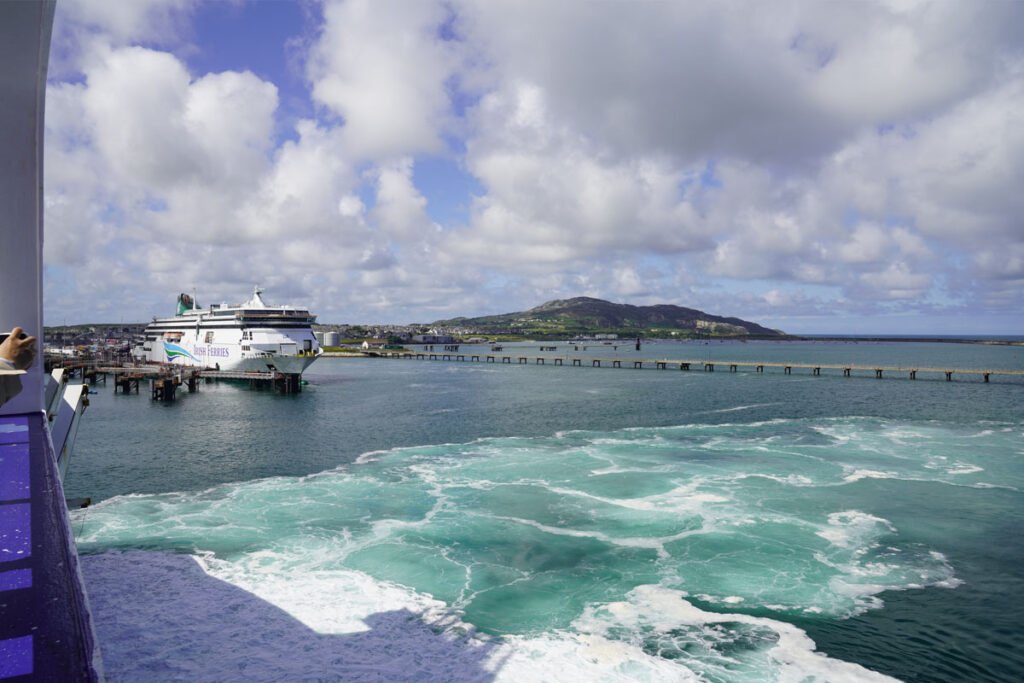
Answers to the most common questions about the Holyhead to Dublin ferry
Frequently Asked Questions
How long is the crossing from Dublin to Holyhead?
The exact sailing time depends on weather conditions. On average, the cruise ferry takes around 3 hours and 15 minutes. The Dublin Swift, the Fast Ferry operated by Irish Ferries, is quicker and completes the crossing in about 1 hour and 50 minutes.
What is the distance between Dublin and Holyhead?
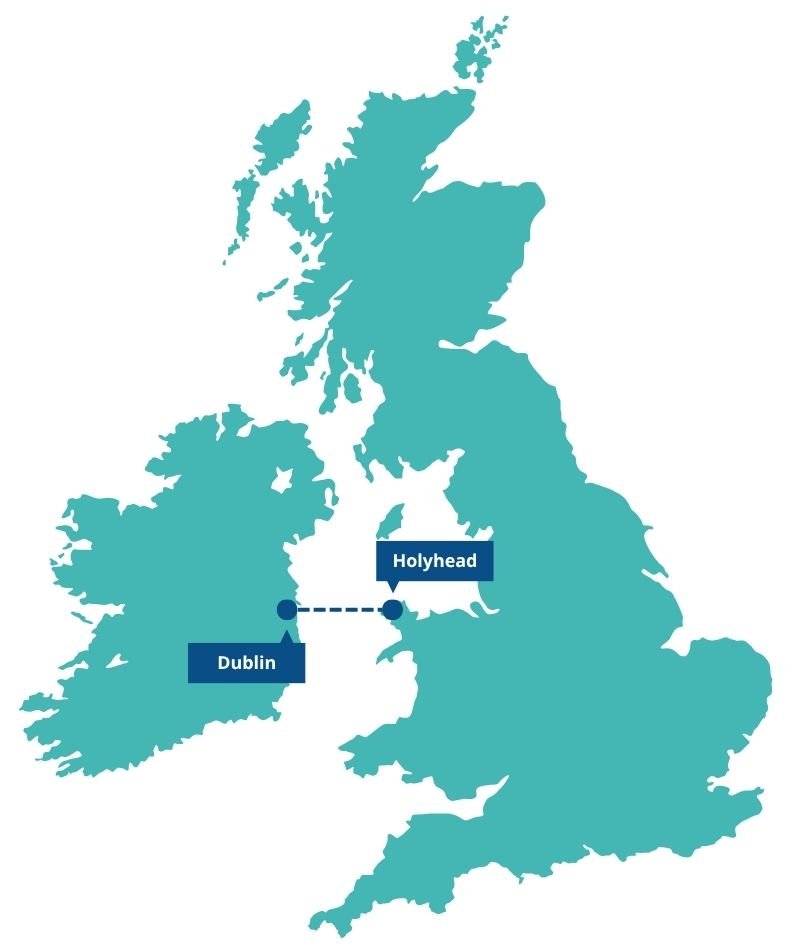
The distance from the ferry pier in Holyhead to the ferry terminal in Dublin is approximately 105.8 kilometres. Although the ships do not sail in a perfectly straight line, the route is known for being very direct. Only when approaching Holyhead Port do the vessels need to steer slightly around the pier.
How many sailings are there per day?
Depending on the day, there are between 8 and 12 sailings operated by Irish Ferries and Stena Line. During the winter months, the number of departures is lower due to maintenance work. In the busy summer season, almost all ships are in full operation.
What is the difference between the Fast Ferry and the cruise ferry?
The Fast Ferry is much faster but less stable in rough weather. It offers fewer onboard facilities, although you hardly need them because the journey is short. The cruise ferry provides a more comfortable and stable crossing and is rarely cancelled except during severe storms on the Irish Sea.
Which company is better: Irish Ferries or Stena Line?
The travel experience is very similar. Irish Ferries has the advantage of offering a Fast Ferry, while Stena Line is known for modern and stable vessels. In practice, most travellers choose based on price and departure time.
What does the Dublin to Holyhead ferry cost on average?
A car with two passengers usually costs between €140 and €230, depending on the season and availability. Prices can rise significantly during the busy summer months, especially if bookings are made at the last minute.
How early should I check in?
Both ferry companies use strict check in deadlines to avoid delays. This allows time for passport control and ensures vehicles and foot passengers are in the correct lanes before boarding.
- With a car: at least 60 to 90 minutes before departure
- As a foot passenger: 45 to 60 minutes before departure
FAQ
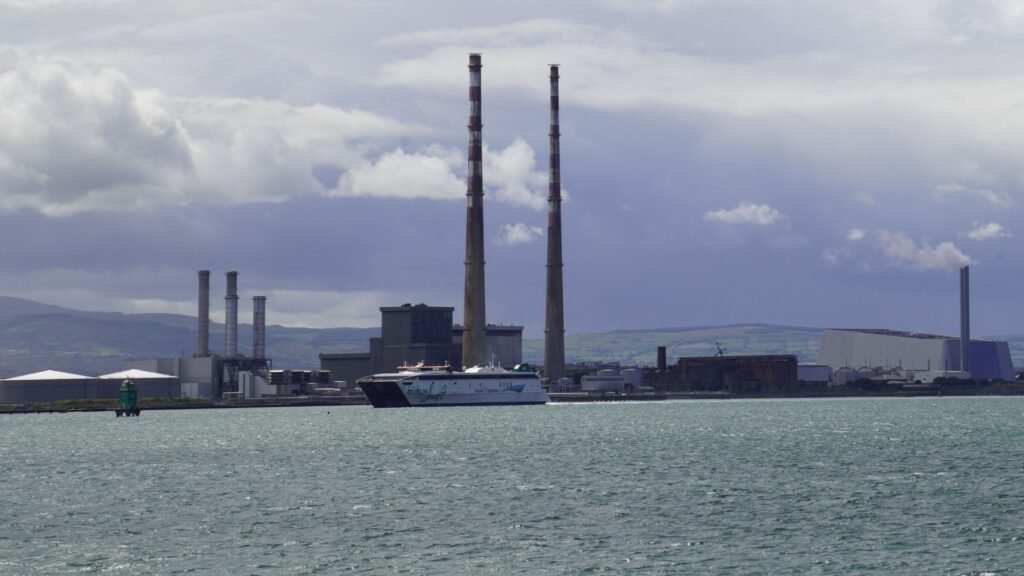
Crossing information
Timetables, weather forecast and more
Discover everything you need to know about your crossing. From sailing times and ferry ships to the latest weather updates and more.